Digital marketing is no longer just about gaining visibility; it is about delivering the right message to the right person at the right time. This has become especially critical for brands that grow through dealer, franchise, and distributor networks. These business models operate under centralized management while serving customers across multiple locations, each with its own unique dynamics.
When a brand has branches operating in different cities, neighborhoods, or even on different streets, each location naturally serves a different audience. As a result, a one-size-fits-all marketing strategy is no longer sufficient. Today, the most successful brands are those that can combine centralized brand control with local flexibility.
At the core of this transformation are digital marketing for dealers, local advertising strategies, and data-driven decision-making. Let's explore how these elements work together.
Why Digital Marketing for Dealers Requires a Different Approach
The most critical aspect of marketing within dealer and franchise networks is combining the strength of the central brand with the customer insights gained at the local level. While headquarters sees the bigger picture, dealers experience customer behavior firsthand.
Imagine two branches of the same brand. One is located in a busy city center, while the other operates in a quieter suburban area. Their customers have different expectations, purchasing habits, and even preferred communication styles. Running the exact same advertisement for both locations means overlooking a significant portion of each branch's potential.
For this reason, advertising strategies for dealers must become more flexible and locally tailored. This is where concepts such as franchise marketing and dealer advertising are evolving. The goal is no longer to launch one campaign for everyone, but to activate the right campaign in the right location.
This approach naturally leads to more precise targeting methods, shifting the focus of marketing from reaching the masses to reaching the right location.
Reaching Customers Where They Are with Hyperlocal Targeting
As marketing has become increasingly location-driven, location-based advertising has taken on a much more significant role. However, as competition has intensified, even this has proven insufficient. Brands have therefore begun focusing on much smaller geographic areas, giving rise to hyperlocal targeting.
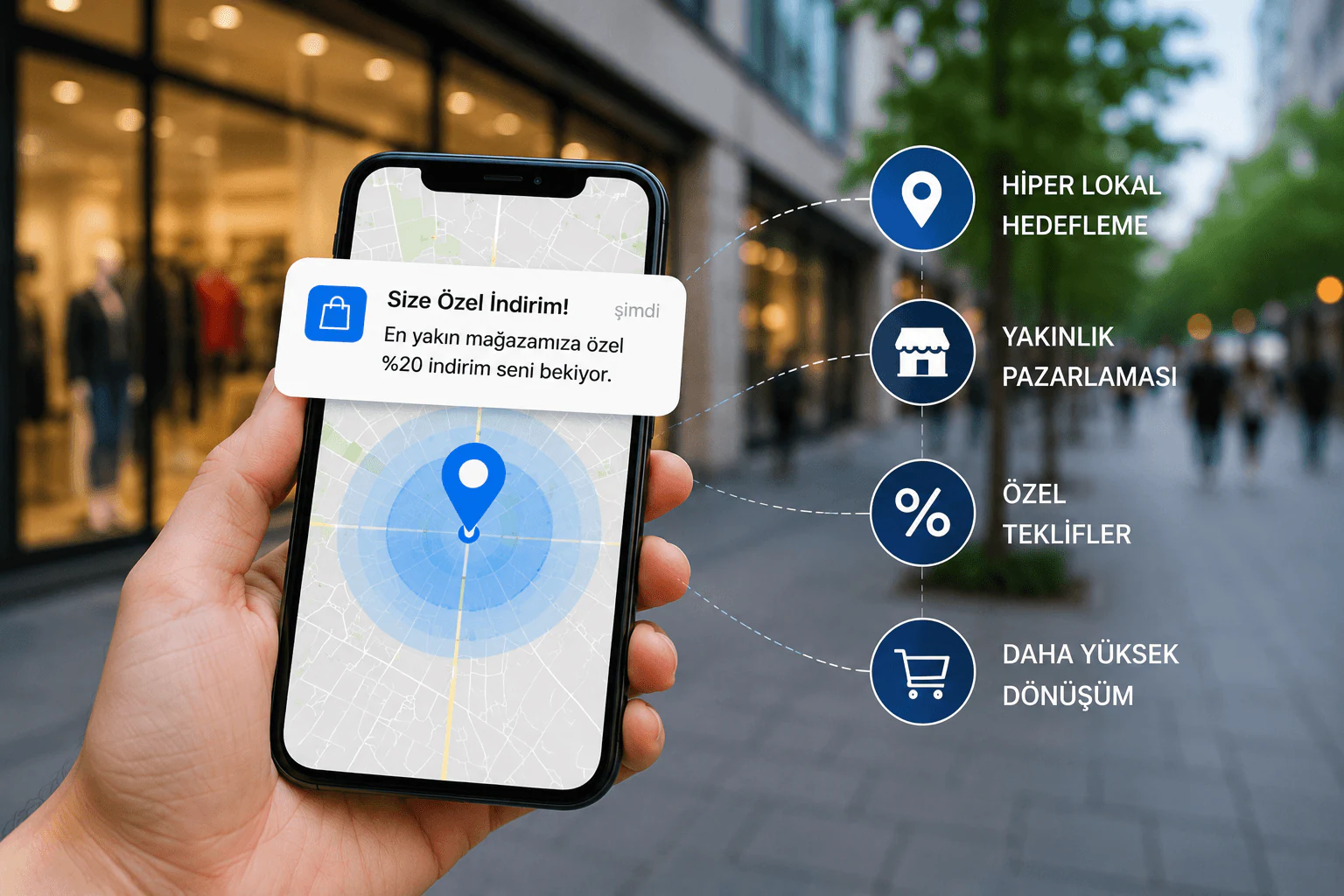
Hyperlocal marketing goes beyond targeting cities or regions. Instead, it focuses on neighborhoods, individual streets, or even the area surrounding a specific store. This enables brands to reach customers not only because they are interested in the offering, but also because they are physically close to the business.
One of the greatest advantages of this approach is that it reaches consumers at or near the moment of purchase. For example, an advertisement shown to someone walking past a store, or a location-specific offer delivered while they are nearby, can immediately influence their buying decision. This level of relevance delivers an impact that traditional advertising simply cannot match.
This is where technologies such as geo-targeting and geo-fencing become essential. By identifying users who enter a defined geographic area, brands can serve highly relevant advertisements that effectively drive foot traffic to physical stores. Similarly, proximity marketing enables businesses to engage customers based on their immediate surroundings, creating more meaningful and timely interactions.
However, the goal is not simply to reach nearby customers—it is to make this process scalable and sustainable. Success at a single location is not enough. If a brand cannot consistently replicate that success across multiple locations, its growth potential remains limited.
This brings us to the next critical challenge.
How Can Brands Deliver Consistent and Effective Marketing Across Multiple Locations?
Achieving success with hyperlocal targeting at a single location is possible. However, the real challenge is sustaining that success across dozens—or even hundreds—of different locations. This is where multi-location marketing comes into play.
When marketing across multiple locations, two fundamental needs emerge: consistency and flexibility. While a brand's identity must remain consistent everywhere, its messaging should adapt to local market dynamics. Brands that fail to strike this balance either become too generic or lose the consistency of their brand identity. For this reason, modern marketing strategies combine centralized control with localized execution. Managing all campaigns from a single platform helps preserve the brand's voice and overall strategy while still allowing small but impactful customizations for each location.
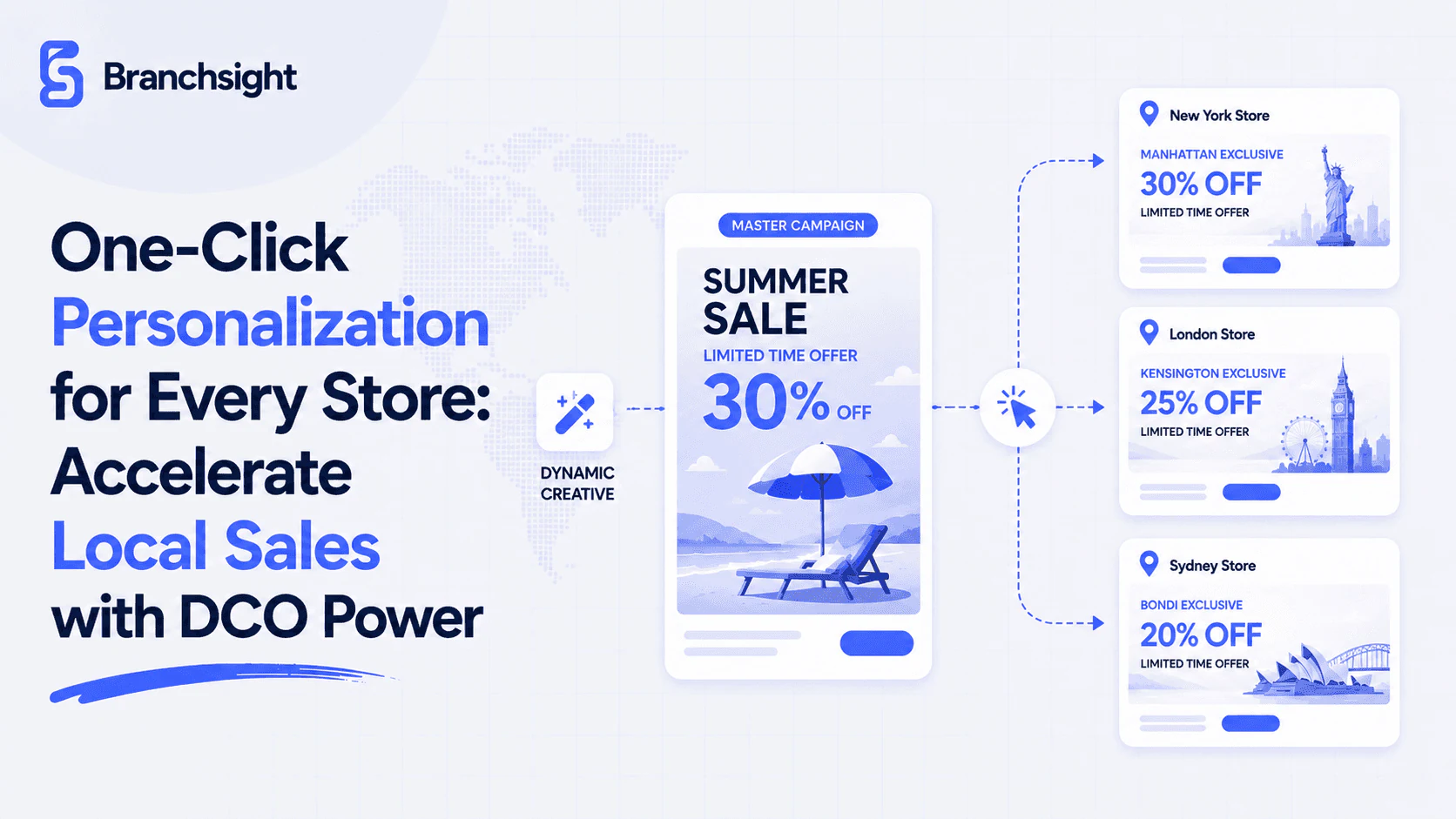
For example, the core message of a campaign can remain the same, while visuals, promotional offers, or copy can be customized based on each location. This is where technologies such as Dynamic Creative Optimization (DCO) provide a significant advantage. Automatically adapting advertising creatives to individual users not only reduces operational workload but also improves campaign performance. Likewise, local campaign automation eliminates the need to manually manage campaigns for hundreds of individual locations, enabling brands to move faster and achieve greater efficiency.
The true power of this approach becomes evident when it is integrated with digital marketing channels.
Expanding Local Impact with Google and Social Media
Google and social media platforms are among the most effective channels for executing local and hyperlocal marketing strategies. These platforms make it possible to understand user intent while delivering highly targeted campaigns.
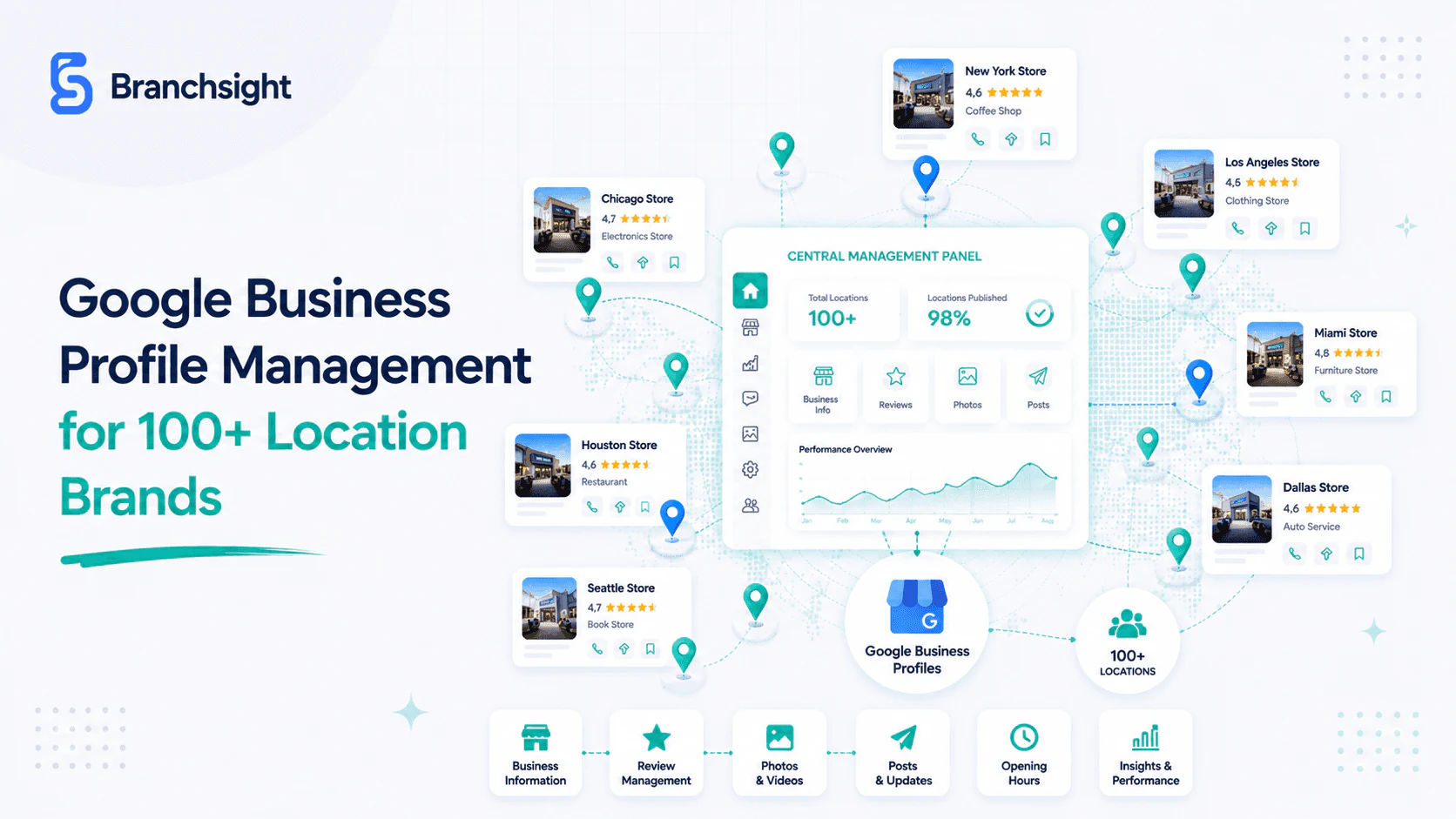
Google searches clearly reveal what users are looking for. The growing popularity of "near me" searches has made local SEO and Google Business Profile optimization essential. A well-optimized profile can significantly increase a dealer's visibility within its local market.
Social media, however, works differently. Users are not actively searching for products or services; instead, they engage with the content that appears in their feeds. This makes localized social media advertising highly effective for capturing attention and driving engagement.
At the same time, solutions such as Digital Out-of-Home (DOOH) advertising extend these strategies into the physical world. When the advertisement a user sees on a digital billboard complements the one they later encounter on their smartphone, it creates a stronger and more consistent brand experience.
Conclusion: Brands That Leverage Local Strength Win
The future of digital marketing is not about becoming more general—it's about becoming more relevant. Success no longer depends on reaching the largest audience, but on building meaningful connections with the right audience. This represents a major opportunity, particularly for brands operating through dealer and franchise networks.
Reaching customers at the right moment through hyperlocal targeting, while consistently replicating that success across multiple locations, has become one of the cornerstones of modern marketing. Brands that successfully combine these two strategies don't just increase sales—they also build stronger, longer-lasting relationships with their customers.
In short, marketing is no longer a system managed solely from a central headquarters. It is a dynamic ecosystem that gains new meaning, evolves, and adapts within every individual location. Brands that embrace this approach will always stay one step ahead of the competition.