A New Era in Digital Marketing for Dealers and Franchise Brands
Digital Marketing
May 6, 2026
Update:
May 6, 2026
Digital marketing is no longer just about gaining visibility; it is built on the ability to deliver the right message to the right person at the right time. This has become even more critical for brands growing through dealer, franchise, and distributor networks, because these structures operate through a centrally managed yet locally evolving dynamic.
When a brand has branches operating in different cities, neighborhoods, or even streets, each location naturally develops a different target audience. As a result, a one-size-fits-all marketing approach becomes insufficient. Today, successful brands are those that can combine centralized control with local flexibility.
At the core of this transformation lie digital marketing for dealers, local advertising strategies, and data-driven decision-making processes. Let’s explore all of these together.
Why Does Digital Marketing for Dealers Require a Different Approach?
The most critical aspect of marketing within dealer and franchise systems is the ability to combine the brand power provided by the headquarters with the customer insights possessed by local branches. While the headquarters sees the bigger picture, dealers experience real customer behavior on the ground.
For example, imagine two different branches of the same brand. One is located in a busy city center, while the other operates in a quieter district. The customer expectations, purchasing habits, and even communication styles of these two locations are completely different. Therefore, using the same advertisement for both branches means ignoring a significant portion of their potential.
For this reason, advertising processes for dealers must now become more flexible and more localized. Concepts such as franchise marketing and dealer advertising are evolving precisely at this point. The goal is no longer to show the same campaign to everyone, but to activate the right campaign in the right location.
This approach naturally leads us toward more precise targeting methods. In other words, the focus of marketing shifts from “the mass” to “the location.”
Being Closest to the Customer with Hyperlocal Targeting
As marketing became increasingly location-oriented, location-based advertising started to play a major role. However, with rising competition, even this became insufficient, pushing brands to go deeper. This is exactly where hyperlocal targeting emerged.
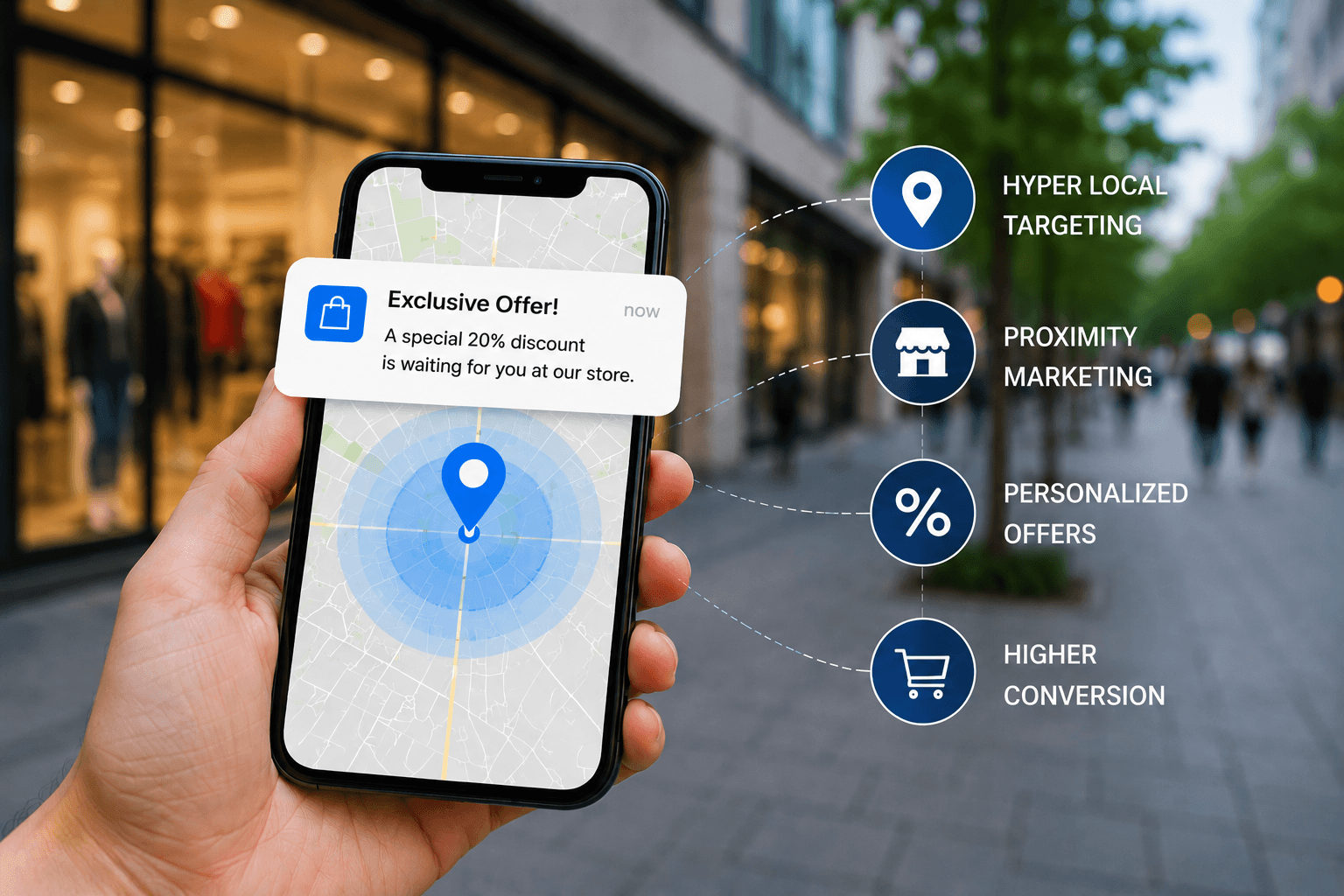
Hyperlocal marketing focuses not only on cities or regions, but also on much narrower areas such as neighborhoods, streets, or even the surroundings of a specific store. In this way, brands can reach customers not only because they are interested, but also because they are physically nearby.
The greatest advantage of this approach is that it engages users very close to the decision-making moment. For example, an advertisement encountered while walking past a store, or a location-specific offer, can instantly influence a purchasing decision. This creates a level of impact that traditional advertising cannot provide.
At this point, technologies such as geo-targeting and geo-fencing come into play. Detecting users who enter a specific area and serving them tailored advertisements is especially effective for driving foot traffic to physical stores. Similarly, the proximity marketing approach enables brands to communicate based on the customer’s immediate surroundings.
However, the key is not just reaching the user, but making the process sustainable. A brand’s success in a single location is not enough. If the same success cannot be replicated across multiple locations, growth remains limited. This brings us to the next critical topic.
How to Build Consistent and Effective Marketing Across Multiple Locations
Achieving success in a single location through hyperlocal targeting is possible. However, the real challenge lies in sustaining that success across dozens or even hundreds of locations. This is where the concept of multi-location marketing becomes essential.
When marketing across multiple locations, two core needs emerge: consistency and flexibility. While the brand identity must remain consistent everywhere, the message should adapt to local dynamics. Brands that fail to strike this balance either become too generic or lose brand integrity.
For this reason, modern marketing approaches combine centralized control with local execution. Managing all campaigns from a single center helps preserve the brand’s voice and strategy, while still allowing small but impactful customizations for each location.
For example, while the main campaign message remains unchanged, visuals, promotional offers, or copy can vary depending on the location. At this stage, technologies such as Dynamic Creative Optimization (DCO) provide a major advantage. Automatically adapting ad creatives according to the user not only reduces operational workload but also improves performance.
Likewise, local campaign automation eliminates the need to manually manage hundreds of different locations individually. This enables brands to move faster and achieve more efficient results.
The true power of this structure becomes evident when combined with digital marketing channels.
Expanding Local Impact Through Google and Social Media
One of the most effective environments for implementing local and hyperlocal strategies is Google and social media platforms. These platforms make it possible both to understand user intent and to apply accurate targeting.
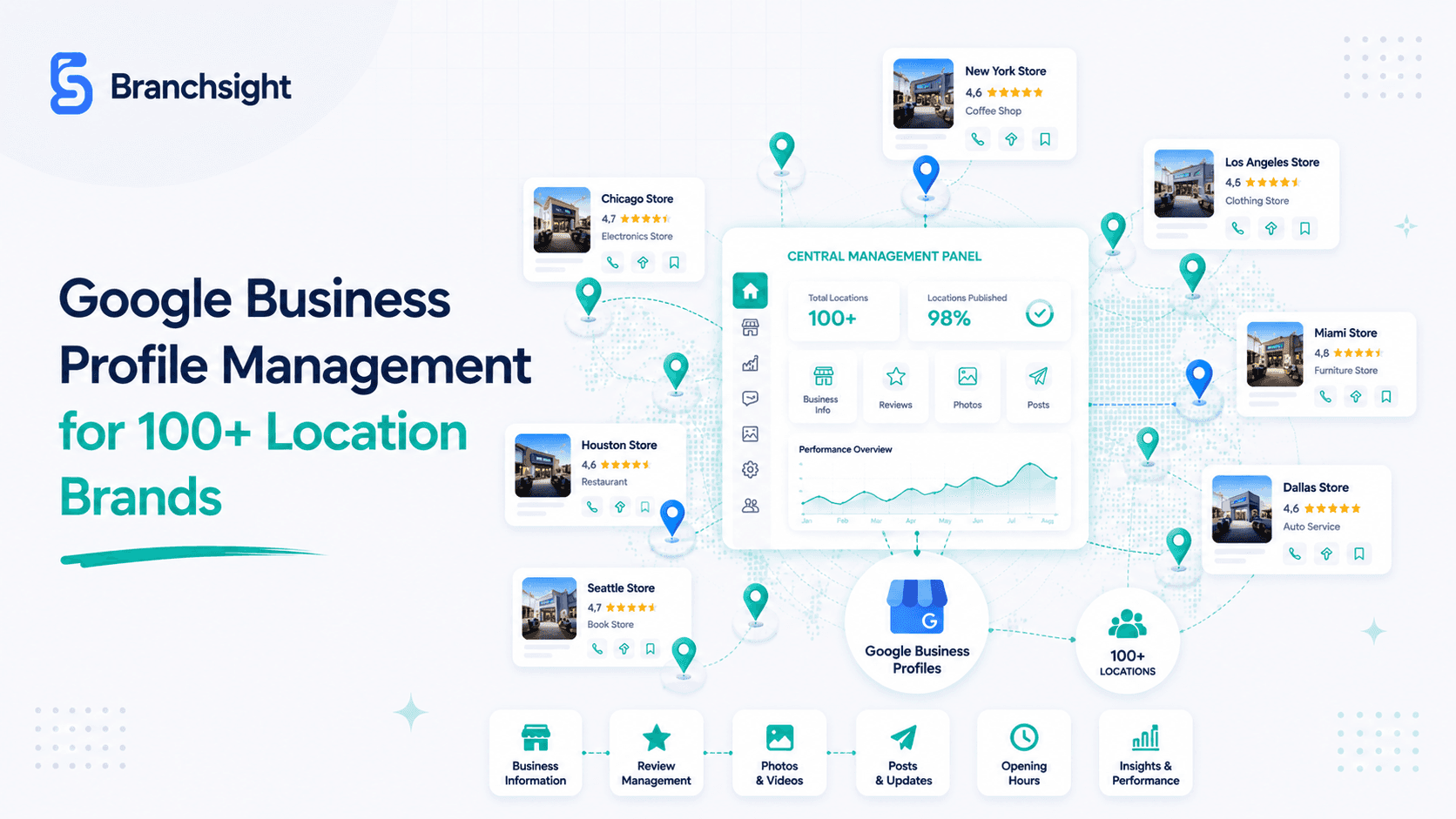
Google searches clearly reveal what users are looking for. The rise of “near me” searches has made local SEO and Google Business Profile optimization indispensable. A properly optimized profile can significantly increase a dealer’s visibility within its region.
On the social media side, the situation is slightly different. Here, users are not actively searching for something, but instead interact with the content that appears in front of them. Therefore, localized social media advertising is highly effective for capturing attention and increasing engagement.
At the same time, solutions such as Digital Out-of-Home advertising (DOOH) integrate the physical world into this process. Seeing a consistent message both on a street screen and on a mobile phone strengthens brand perception.
Conclusion: Brands That Use Local Power Effectively Win
The future of digital marketing lies not in becoming broader, but more specific. The priority is no longer reaching wider audiences, but building the right connection with the right audience. This creates a major opportunity, especially for brands operating through dealer and franchise structures.
Reaching customers at the right moment through hyperlocal targeting and sustaining this success consistently across multiple locations are the two most critical pillars of modern marketing. Brands that successfully combine these approaches not only increase sales, but also build stronger and longer-lasting relationships with their customers.
In short, marketing is no longer a structure managed solely from a single center; it is a living, evolving system that gains new meaning in every location. And the brands that design this system effectively will always stay one step ahead of the competition.”